
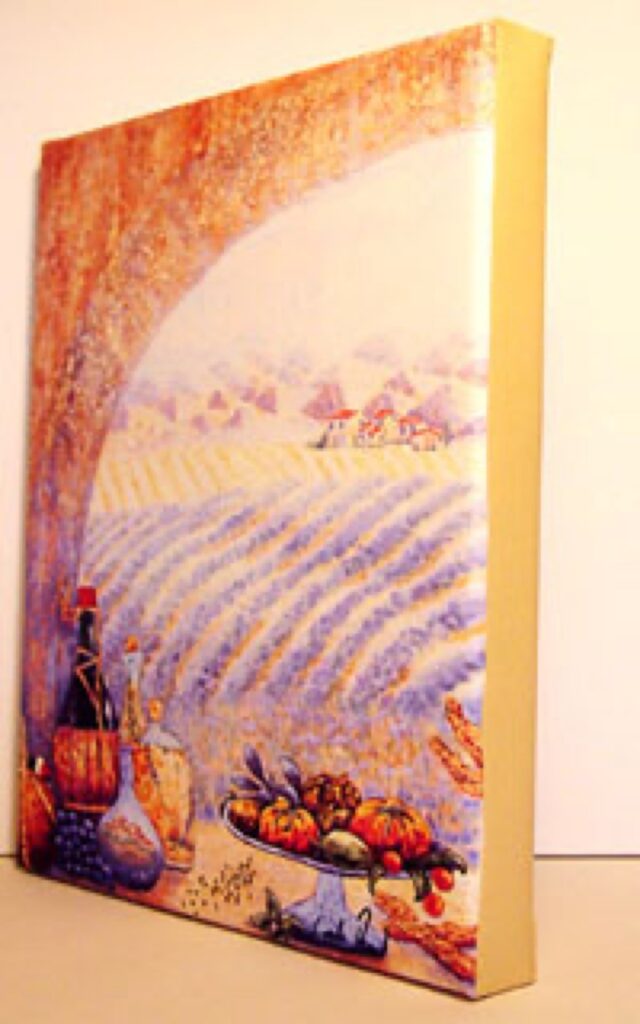
A well-made print is built to last. Our canvas prints are printed with long-lasting pigment inks and given a protective coating against UV light, and our giclée fine art prints use pigment inks on canvas and art papers. Even so, where and how a print is kept has a big effect on how it looks in ten years’ time. Most of the care is common sense, but a few points are easy to get wrong.
Where to hang it
Keep it out of direct sunlight. Light is the main cause of fading. Pigment inks and UV coatings slow it down, but a print hung opposite a sunny window will still fade faster than one on a shaded wall. If you love a bright spot, consider UV-filtering glazing on a framed print, or rotate artworks occasionally.
Avoid heat and damp. Do not hang prints directly above radiators, fires or heaters, or in bathrooms and kitchens where steam collects. Heat dries and stresses materials; damp can cause cockling in paper and mould on canvas. A steady room temperature and normal humidity are ideal.
Watch for outside walls. In older buildings, cold exterior walls can attract condensation behind a picture. Small spacers on the back corners let air circulate.
Hanging a stretched canvas
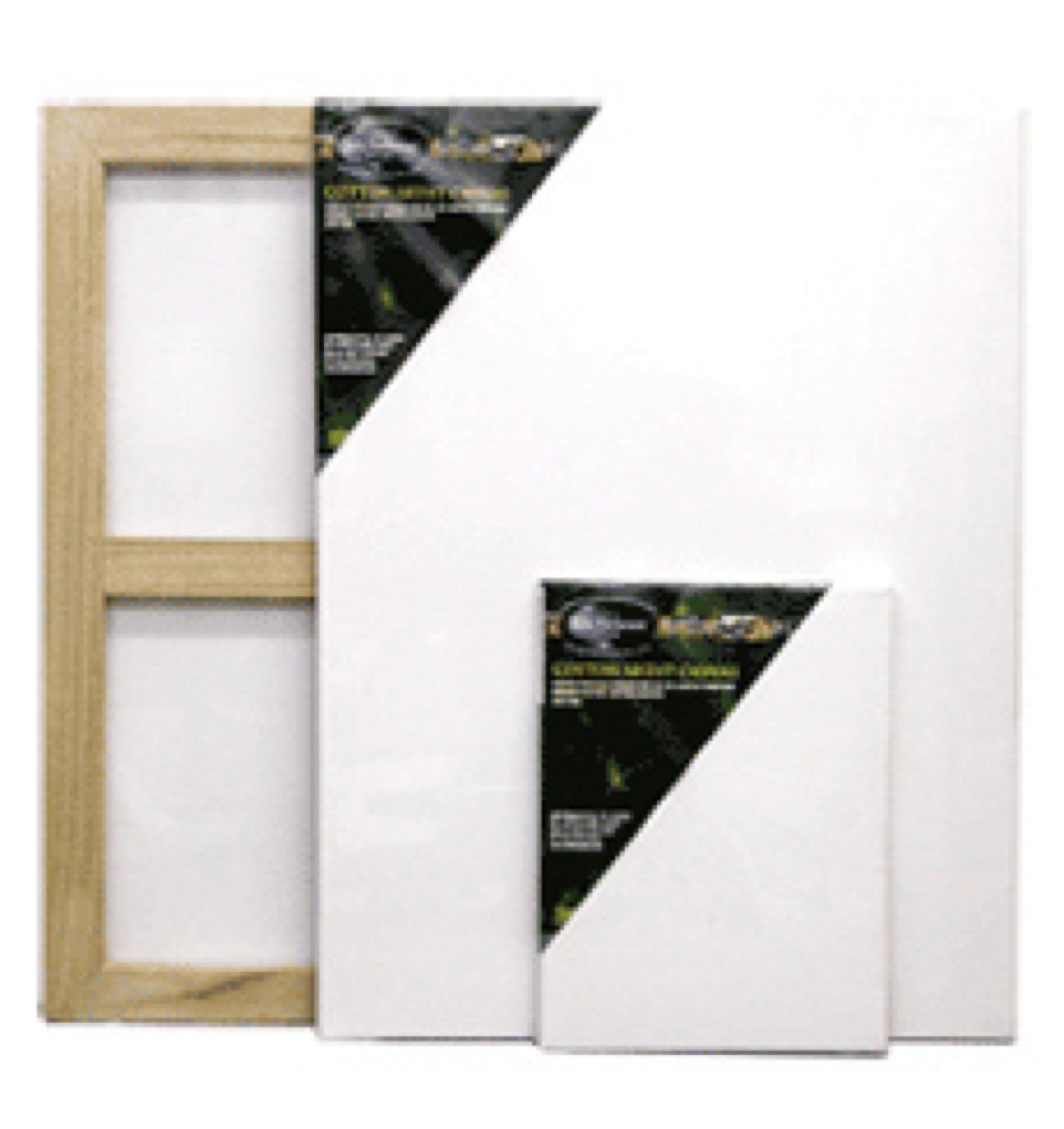
A stretched canvas needs no frame and hangs straight on the wall. Our canvases are wrapped by hand around a wooden stretcher frame with a 36mm profile and pulled tight. To hang one:
- Use a hook or screw suited to the wall and the size of the canvas. Larger pieces are steadier on two fixings.
- Hang it from the stretcher bars or from fittings attached to them, never by pushing anything through the canvas.
- Use a spirit level. A slight tilt is far more noticeable on a large canvas.
Cleaning
- Dust with a soft, dry, lint-free cloth or a soft brush, using light strokes.
- Do not use water, glass cleaner, polish or household sprays on the print surface. Chemicals can mark or dull it.
- Do not rub at a mark. If something is spilled on a print, blot gently and ask us for advice.
- For framed prints behind glass or acrylic, clean the glazing with a cloth lightly dampened with a suitable cleaner, sprayed onto the cloth, never onto the frame.
Handling
Hold canvases by the frame, not the face. Pressure on the front, even from fingertips, can leave dents or stretch the canvas. Handle unframed fine art paper with clean, dry hands or cotton gloves, holding it by the edges or supporting it from below. Paper creases easily and fingerprints can mark the surface permanently.
Storing prints
- Canvases: store upright, face to face or back to back with card between them, in a dry, temperature-stable room. Do not lean anything against the canvas surface or let a corner press into it.
- Unframed paper prints: store flat in an archival box or portfolio, interleaved with acid-free tissue. Avoid rolling for long periods; if a print arrives rolled, let it relax flat before framing.
- Avoid lofts, garages and cellars, where temperature and humidity swing.
Framing fine art prints
For giclée prints on paper, framing is the best protection. Ask your framer for acid-free mounts and backing, and consider UV-filtering glazing for rooms with a lot of daylight. The mount also keeps the print surface off the glass. Stretched canvases do not need glazing, but they can be framed if you prefer the look.
If a canvas sags
Changes in humidity can make canvas slacken slightly over time. If a canvas starts to look loose or rippled, contact us for advice rather than trying to re-stretch it yourself.
Prints from your originals
If you are reproducing your own work, see giclée fine art prints. For photographs, see canvas prints and photographic prints. If an old photograph has already faded or been damaged, our photo restoration service may help, and drum scanning can capture originals before they deteriorate further.
Choosing a print that suits the room
Care starts with the order. If a print is going into a bright room, a hallway where it may be brushed past, or a commercial interior such as a restaurant or salon, tell us. We print on fast-dry matt and gloss canvas, coated cotton canvas, water-resistant canvas and heavyweight artist canvas, and the right choice depends on where the piece will hang. Standard sizes run from A4 to A0, and bespoke sizes are made to order.
To order, upload your image or request a quote with the size and finish you have in mind.
Questions
How do I clean a canvas print?
Dust it gently with a soft, dry, lint-free cloth or brush. Do not use water, polish or cleaning sprays on the surface.
Will my canvas print fade?
Our canvas prints use long-lasting pigment inks with a protective UV coating, which slows fading considerably. Keeping the print out of direct sunlight helps it last even longer.
Can I hang a canvas in a bathroom or kitchen?
It is best avoided. Steam and humidity can affect canvas and prints over time. If you want a print in a damp room, ask us about water-resistant canvas.
Should fine art paper prints be framed?
Framing with acid-free mounts and suitable glazing is the best protection for giclée prints on paper.
Request a quote · Send artwork · 0203 026 0636