
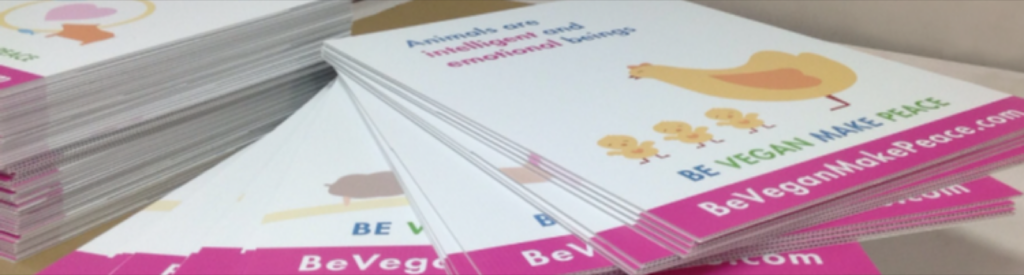
When a print needs to stand up, hang flat or be screwed to a wall, it goes onto a rigid board. The print is either applied as a mounted vinyl or paper, or printed directly onto the board. The three boards people ask about most are Foamex, Dibond and Correx. They look similar in a photo, but they behave very differently in use, and choosing the wrong one is a common reason a sign bows, fades or looks cheap.
Foamex (PVC foam board)
Foamex is a lightweight, rigid board made from expanded PVC foam, with a smooth, closed surface that takes print well. It is easy to cut into shapes and light enough to hang with adhesive pads, cord or a few screws. That makes it the everyday choice for interior signs, exhibition panels, point of sale, notices and photo displays.
We mount prints on Foamex from 1mm to 10mm thick. Thinner boards suit small signs and display inserts; thicker boards stay flatter over larger areas and feel more substantial. Foamex works indoors and out, and we recommend laminating Foamex prints to protect the surface. For long-term outdoor use or large panels in direct sun, consider Dibond, because foam board can flex with heat. See Foamex boards.
Dibond (aluminium composite)
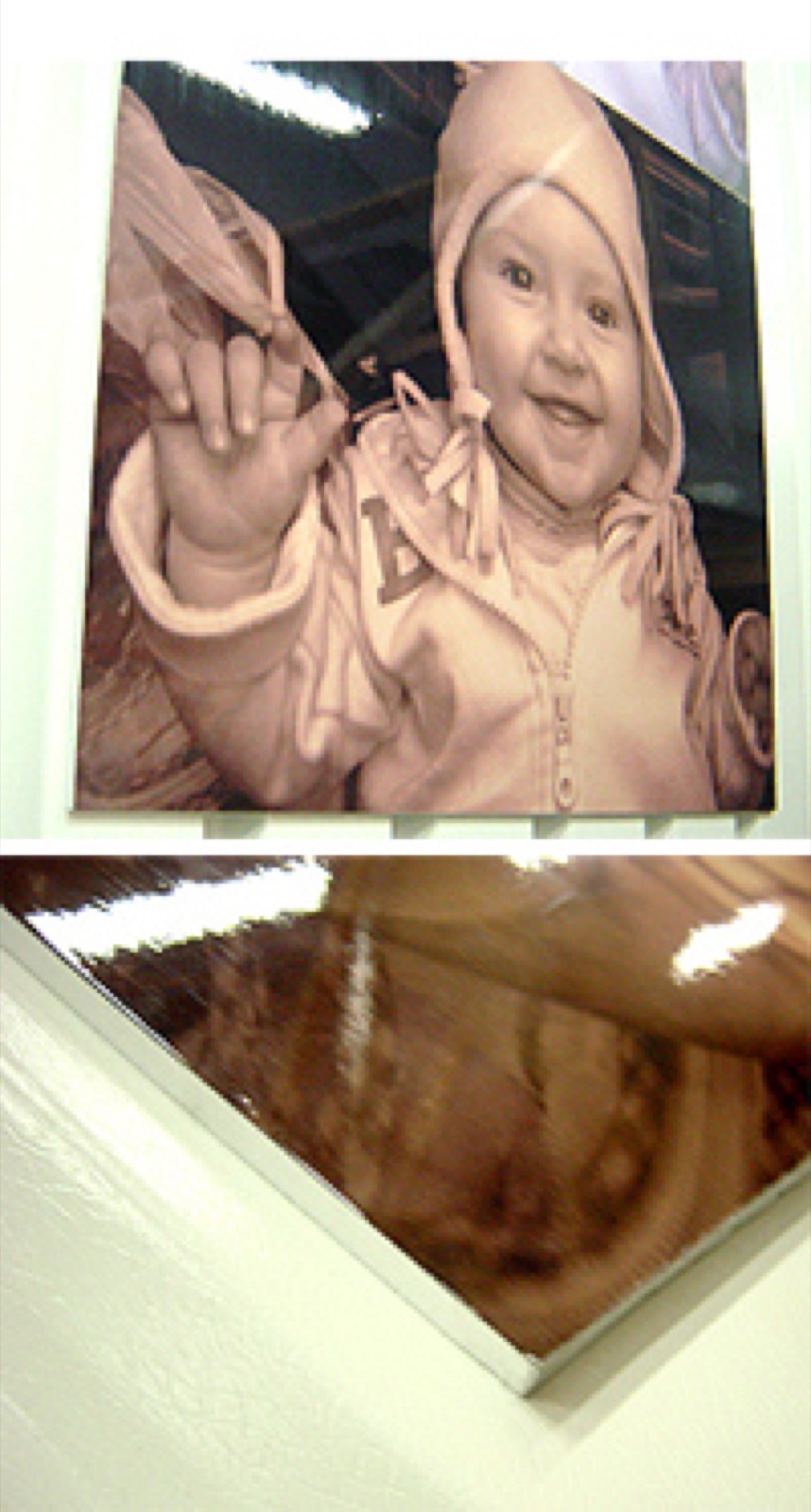
Dibond is an aluminium composite panel: two thin aluminium skins bonded to a solid plastic core. It is much stiffer and more stable than foam board, stays flat in heat and cold, and resists dents and weather. That is why it is used for permanent exterior signs, building and site signage, wall-mounted panels, and premium interior pieces such as photographs and artworks.
It is heavier and costs more than Foamex, and it needs proper fixings: screws, stand-off locators, rails or a channel on the back. For a sign meant to last years outdoors, it is usually the right choice. See Dibond signs.
Correx (corrugated plastic)
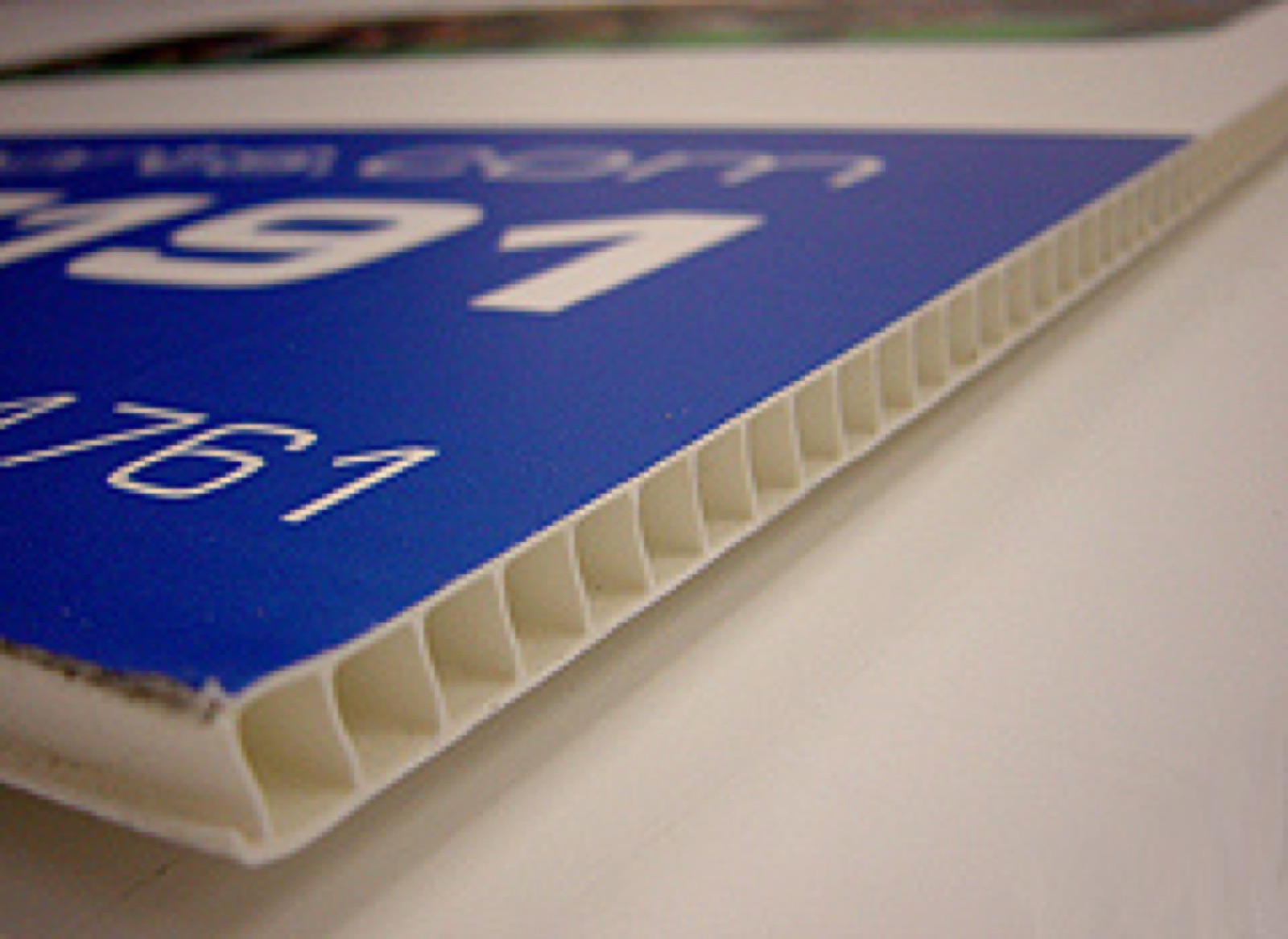
Correx is a fluted polypropylene sheet, like plastic cardboard, with channels running through the middle. It is very light, waterproof and inexpensive, so it is the standard board for temporary outdoor signs: estate agent and site boards, event directions, election and campaign signs, and short promotions. It can be cable-tied to railings or fences, or fixed to stakes through the flutes.
The trade-offs are finish and life. The flutes can show through as faint lines under some light, the edges are visibly ribbed, and the board can bend in strong wind if it is not supported. It is a practical, short-term board rather than a premium one. See Correx boards.
Quick comparison
- Interior signs, displays and exhibition panels: Foamex.
- Permanent outdoor signs and premium wall panels: Dibond.
- Temporary outdoor signs, cable-tied or staked: Correx.
- Lightest to carry and hang: Correx, then Foamex.
- Flattest and most durable: Dibond.
- Easiest to cut into shapes: Foamex.
Other boards we use
We also mount on polyboard and MDF, and for special pieces we can print or mount onto wood, glass and metal. For a glossy, glass-like finish, a print can be face-mounted to acrylic; see acrylic prints. For backlit signs, see backlit prints.
Finishing makes a difference
Whichever board you choose, the finish affects how long it looks good. Laminating protects against scratches, fingerprints and UV, and gives you a choice of matt or gloss. Where a special colour is needed, coloured vinyl can be applied to a panel. Fixings can be added: Velcro, magnetic tape, hanging bars, struts for free-standing boards, or drilled holes. More detail on mounting and laminating.
What to tell us
Tell us the size, where the sign will go (indoors or out), how long it needs to last, how it will be fixed, and roughly how many you need. With that, we can recommend a board and thickness and give you a price. All mounting and laminating is done in-house as part of our signage service.
Still not sure?
If two boards both seem to fit, the deciding questions are usually how long the sign must last and how it will be fixed. A sign screwed to a brick wall for several years points towards Dibond; a set of directional signs for a weekend event points towards Correx; a set of panels for an indoor exhibition points towards Foamex. Describe the job when you request a quote and we will recommend one, or price two options so you can compare. If your artwork is ready, send it and include any cutting shapes.
Questions
Can Foamex be used outside?
Yes, Foamex works indoors and out, and we recommend laminating it. For signs that must last a long time outdoors, or large panels in direct sun, Dibond is usually more stable.
What thickness of Foamex do I need?
We mount on Foamex from 1mm to 10mm. Thinner board suits small signs and inserts; thicker board stays flatter on bigger panels. Tell us the size and use and we will suggest a thickness.
Is Dibond worth the extra cost?
For permanent exterior signs, or panels that need to stay perfectly flat and look premium, generally yes. For short-term or indoor use, Foamex or Correx often does the job.
Can you cut boards to a shape?
Yes. Tell us the shape when you ask for a quote and include a cutting line in your artwork if you have one.
Request a quote · Send artwork · 0203 026 0636